
 EN
EN
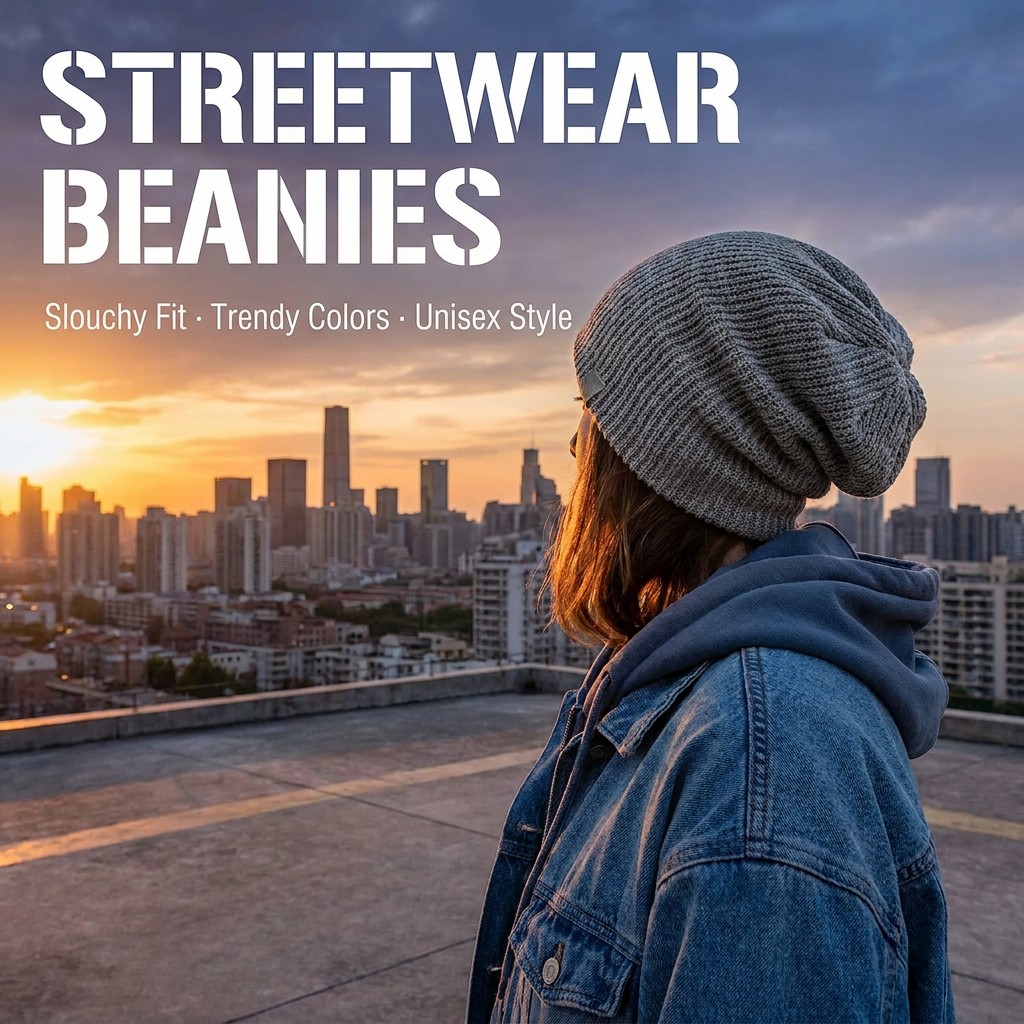
Winter apparel demands exceptional attention to thermal protection, and a quality knit hat plays a central role in maintaining body heat during cold months. A reputable knit hat supplier understands that insulation performance directly impacts customer satisfaction, safety, and repeat business. The challenge extends beyond simply selecting warm materials; it requires integrating advanced fabric technology, precise construction methods, and rigorous testing protocols to deliver consistent thermal performance across every unit produced.
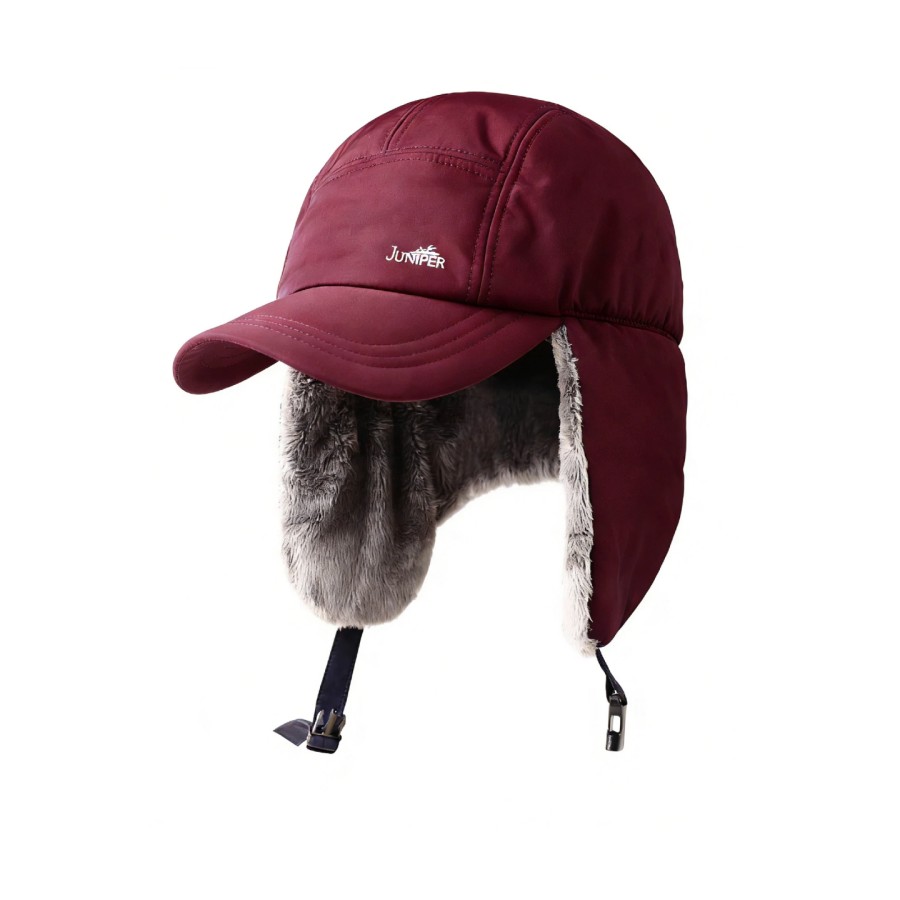
A knit hat supplier that prioritizes winter insulation must balance multiple variables: fiber composition, knit density, lining construction, and moisture management. This article explores the operational and technical frameworks that responsible knit hat suppliers implement to ensure their products deliver measurable thermal protection in severe cold conditions. Understanding these processes helps retailers, distributors, and end consumers make informed purchasing decisions grounded in material science rather than marketing claims alone.
Material Selection and Fiber Composition
Premium Fiber Blends for Superior Heat Retention
A knit hat supplier begins the insulation journey by sourcing high-quality fiber materials that retain warmth even when exposed to moisture. Merino wool, for instance, traps air within its structure while naturally regulating body temperature; a knit hat crafted from premium merino maintains insulation properties even if slightly damp. Synthetic blends incorporating acrylic, polyester, and specialized thermal polymers offer durability and consistent performance. A professional knit hat supplier evaluates fiber suppliers by testing thermal conductivity, moisture-wicking capability, and long-term resilience through repeated wash cycles.
Knit Density and Gauge Optimization
The physical construction of a knit hat directly determines how effectively it insulates. A knit hat supplier controls knit density by adjusting machine gauge—the number of needles per unit width on knitting equipment. Tighter gauges create denser knit patterns that minimize air gaps and reduce heat loss. However, excessive density can restrict breathability and increase weight, so experienced knit hat suppliers use gauge selection to balance thermal resistance with comfort. A well-engineered knit hat maintains an optimal density range that suppliers verify through air permeability testing and thermal imaging analysis.
Construction Techniques and Layering Systems
Double-Layer and Lined Knit Hat Architecture
Many knit hat suppliers employ multi-layer construction to maximize insulation without excessive bulk. A knit hat with a fleece or thermal lining creates a dual insulation barrier: the outer knit layer blocks wind, while the inner lining traps air and wicks moisture away from the scalp. This architecture is particularly effective because it addresses two insulation challenges simultaneously. A quality knit hat supplier sources lining materials independently, ensuring the inner layer provides thermal resistance while maintaining breathability to prevent moisture accumulation and discomfort during active use.
Seam Placement and Edge Finishing
Heat loss through seams represents a significant vulnerability in knit hat design. A knit hat supplier that prioritizes insulation carefully positions seams away from heat-sensitive scalp regions and uses flatlock or French seam techniques to minimize thermal bridging. Quality knit hat suppliers also implement reinforced edge finishing at the cuff and brim to prevent stretching that would compromise fit and thermal contact with the head. Precise seam construction, verified through quality audits and wear testing, ensures that a knit hat maintains consistent insulation performance throughout its service life.
Quality Assurance and Performance Testing
Thermal Performance Validation Standards
Professional knit hat suppliers employ standardized thermal testing to quantify insulation effectiveness. ASTM F1518 and similar thermal manikin testing protocols measure how much heat a knit hat preserves under controlled conditions. A knit hat supplier conducts these tests on representative samples from production batches, ensuring performance consistency. Testing typically occurs in temperature chambers ranging from 0°F to 25°F, simulating real winter conditions. Results provide objective data that a knit hat supplier communicates to wholesale buyers and end consumers, replacing vague marketing language with measurable thermal values.
Durability and Resilience Testing
A knit hat supplier recognizes that insulation degrades if materials break down during normal use. Shrinkage, pilling, color fastness, and fiber migration all reduce thermal performance over time. Responsible knit hat suppliers conduct accelerated wear testing, including repeated washing, stretching, and abrasion cycles. A knit hat that passes 50 or more wash cycles while maintaining loft indicates robust long-term insulation. Suppliers also test moisture recovery; a knit hat should regain thermal properties quickly after exposure to damp conditions, which is essential for winter athletes and outdoor workers.
Moisture Management and Breathability
Moisture-Wicking Technology Integration
A knit hat supplier that overlooks moisture management will compromise thermal performance, because wet insulation fails catastrophically. Modern knit hat suppliers incorporate hydrophobic synthetic fibers or moisture-wicking treatments that move sweat away from the skin toward the outer knit layer. A knit hat engineered with this technology maintains warmth even during intense physical activity or temperature fluctuations. Premium suppliers test moisture vapor transmission rates (MVTR) to ensure a knit hat balances water rejection with necessary breathability, preventing the suffocating feeling of trapped humidity while blocking external moisture.
Climate-Specific Knit Hat Variations
Different winter climates demand tailored knit hat designs. A knit hat supplier serving alpine regions designs heavily insulated models with windproof membranes and increased fiber weight. Conversely, a knit hat for milder winters prioritizes moisture management and moderate loft. This variation demonstrates that responsible knit hat suppliers conduct market research, understand regional weather patterns, and develop targeted product lines. A knit hat designed for urban commuters differs substantially from designs intended for construction workers or mountaineers, reflecting the supplier's commitment to functional performance rather than one-size-fits-all production.
Supply Chain Transparency and Standards Compliance
Supplier Audit and Material Traceability
A knit hat supplier committed to reliable insulation maintains strict oversight of fiber sourcing and manufacturing partners. Raw material audits verify fiber composition claims, ensuring a knit hat supplier receives the exact merino percentages or synthetic specifications promised. Traceability systems track a knit hat from raw fiber through finished product, enabling rapid response if insulation defects emerge. Professional knit hat suppliers document fiber origin, processing conditions, and quality certifications, providing documentation that retail buyers and corporate purchasers increasingly demand for compliance and sustainability reporting.
Industry Standards and Certification Alignment
Leading knit hat suppliers align production with international quality standards including ISO 9001 and textile-specific certifications like OEKO-TEX. A knit hat supplier's commitment to certified manufacturing reassures buyers that insulation claims are grounded in verified processes rather than speculation. Certifications cover color fastness, chemical safety, and dimensional stability—all factors affecting long-term knit hat performance. When a knit hat supplier maintains these certifications and shares audit results transparently, procurement teams gain confidence that product batches will meet consistent thermal and durability specifications.
FAQ
What Material Composition Delivers the Best Insulation in a Knit Hat?
Premium merino wool blends offer exceptional natural insulation because wool traps air molecules effectively and regulates moisture even in damp conditions. However, a knit hat supplier often uses merino-synthetic blends combining wool's thermal properties with polyester durability and acrylic affordability. The ideal composition depends on intended use: a knit hat for extreme cold benefits from higher wool content, while a knit hat for urban commuting may prioritize durability and easy care through increased synthetic content. Most professional knit hat suppliers recommend 60–80% wool for serious winter applications.
How Can Buyers Verify a Knit Hat Supplier's Insulation Claims?
Request specific thermal testing data showing ASTM F1518 results or equivalent thermal manikin measurements. A reputable knit hat supplier willingly provides test reports and thermal resistance values (typically measured in clo units or R-values). Additionally, examine wash-care documentation; a knit hat supplier should specify expected performance after multiple wash cycles and recommend care methods that preserve insulation. Customer reviews mentioning performance in specific temperature ranges offer practical validation. A knit hat supplier that cannot produce testing data or refuses to share quality standards warrants skepticism.
Does Knit Hat Price Accurately Reflect Insulation Quality?
Price correlates with insulation quality but does not determine it absolutely. A knit hat supplier's production efficiency, material sourcing relationships, and batch sizes influence pricing. Premium-priced knit hats often reflect superior fiber content and construction rigor, but a knit hat supplier with optimized supply chains may offer exceptional thermal performance at moderate prices. Evaluating specific material specifications, knit density, lining construction, and available testing data provides better guidance than price alone. A knit hat supplier offering bargain pricing should be scrutinized for fiber quality and construction shortcuts that compromise insulation durability.