
 EN
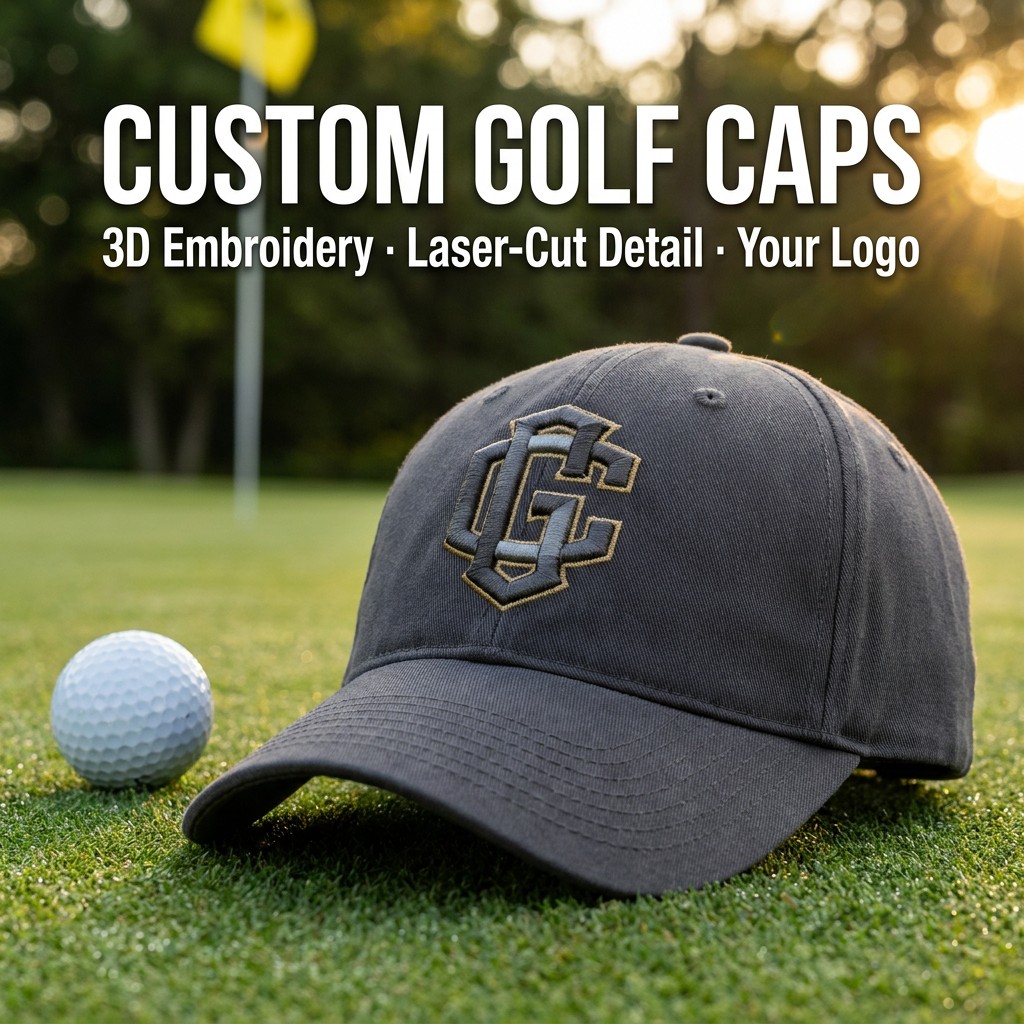
A professional golf hat supplier operates far more complex production equipment than most customers realize. Behind every custom golf hat with precision logos, embroidered designs, and branded elements sits a carefully selected collection of specialized machinery. Understanding what laser-cutting gear a golf hat supplier owns reveals the investment and technical capability required to deliver high-quality custom golf hat products that meet both design specifications and durability standards in the competitive headwear market.

The equipment landscape for modern golf hat production includes laser systems, embroidery machines, pressing equipment, and digital design software that work in concert to transform raw materials into finished products. A golf hat supplier investing in this technology demonstrates commitment to customization, precision, and scalability. Recognizing the types of machinery that support golf hat production helps buyers evaluate supplier capabilities and understand why pricing, turnaround times, and quality consistency vary significantly across the industry.
Core Laser-Cutting Technology in Golf Hat Production
CO2 and Fiber Laser Systems for Golf Hat Applications
The foundation of modern golf hat customization rests on laser technology that can cut, engrave, and mark materials with micron-level precision. A golf hat supplier typically operates CO2 laser cutters for organic materials such as cotton, canvas, leather patches, and specialty fabrics that form the bill and body of each golf hat. These systems can cut through single layers or multiple stacked materials, enabling a golf hat supplier to produce logos, ventilation patterns, and decorative cutouts that define premium product lines. CO2 lasers excel at creating clean edges without fraying, a critical requirement for professional golf hat branding where rough edges would diminish perceived quality.
Fiber laser systems represent the complementary technology that a golf hat supplier uses for metallic and synthetic materials. Metal-coated buckles, aluminum adjustment mechanisms, and embellished closure systems on golf hat products require fiber laser precision to engrave serial numbers, brand marks, or QR codes without material distortion. A golf hat supplier investing in both CO2 and fiber laser platforms can handle the full spectrum of materials required for contemporary golf hat designs, from traditional cotton panels to modern performance blends and metallic accents that appeal to brand-conscious corporate buyers.
Laser Power and Cutting Speed Specifications
Professional golf hat suppliers typically operate laser systems ranging from 40 to 150 watts of power, depending on production volume and material specifications. A golf hat supplier focused on high-volume orders might deploy 100-watt CO2 systems capable of cutting through 6 to 8 millimeter fabric in a single pass, dramatically accelerating production cycles compared to mechanical die-cutting. Cutting speed directly influences profitability; a golf hat supplier using advanced laser technology can complete custom golf hat orders in days rather than weeks, meeting tight corporate event timelines and seasonal demands. The precision of modern laser systems also minimizes material waste, a significant cost factor when producing premium golf hat blanks that command higher per-unit pricing in the wholesale market.
Complementary Machinery Supporting Golf Hat Customization
Embroidery and Digital Design Integration
While laser technology provides cutting and marking capabilities, a full-service golf hat supplier combines laser equipment with multi-head embroidery machines that stitch logos directly onto fabric surfaces. Industrial embroidery systems with 12, 15, or 20 needle stations allow a golf hat supplier to execute complex multi-color designs on golf hat fronts, sides, and backs without sacrificing production speed. Integrated digital design software links laser systems, embroidery machines, and production planning so that a golf hat supplier receives customer artwork and automatically generates machine-ready files. This workflow ensures consistency across thousands of units when a corporate customer orders branded golf hat merchandise for employee uniforms or promotional distribution.
A golf hat supplier must reconcile two distinct decoration methods because different applications demand different outcomes. Screen printing works for large solid-color logos on golf hat panels, but laser cutting delivers precision for intricate cutouts or edge treatments. Embroidery conveys premium quality and durability for upscale golf hat products, while laser engraving on buckles or metallic accents adds sophistication without significant cost increases. A professional golf hat supplier owns equipment from multiple categories to offer customers maximum design flexibility and match each order to the most cost-effective and aesthetically appropriate production method.
Pressing, Heat Transfer, and Quality Control Systems
After laser cutting and embroidery operations, a golf hat supplier uses industrial pressing equipment to set seams, flatten panels, and activate heat-transfer adhesives that permanently bond materials together. Pneumatic or hydraulic presses rated for golf hat production ensure uniform pressure distribution across curved surfaces, critical for maintaining shape integrity when fabric layers are bonded. A golf hat supplier also deploys heat transfer systems that apply pre-printed designs to golf hat surfaces in seconds, offering an economical alternative to full embroidery for cost-conscious bulk orders. Quality control stations equipped with magnification and digital measurement tools enable a golf hat supplier to verify seam placement, logo alignment, and color accuracy before each golf hat ships to the customer, reducing returns and protecting brand reputation.
Supply Chain Integration and Equipment ROI for Golf Hat Suppliers
Capital Investment and Production Capacity Implications
A golf hat supplier committing to advanced laser-cutting equipment and complementary machinery represents a substantial capital investment, typically ranging from $50,000 to $200,000 per production line depending on technology tier and automation level. This investment threshold explains why small, undercapitalized golf hat suppliers often outsource customization work or rely on manual processes that limit design capabilities. A golf hat supplier that has invested in modern laser systems and digital integration can justify premium pricing through faster turnaround, higher design precision, and volume scalability that smaller competitors cannot match. Understanding this economic reality helps corporate buyers recognize that a golf hat supplier offering rapid customization, complex multi-color logos, and consistent quality across large orders has incurred genuine infrastructure costs reflected in their service model.
Competitive Advantages and Market Positioning
A golf hat supplier equipped with state-of-the-art laser-cutting technology and complementary automation gains measurable competitive advantages in the custom headwear marketplace. Faster production cycles mean a golf hat supplier can quote lead times of 10-15 days instead of 30-45 days, winning time-sensitive corporate orders. Lower per-unit costs from reduced labor and material waste allow a golf hat supplier to maintain healthy margins while offering competitive pricing that attracts volume buyers. Perhaps most importantly, a golf hat supplier with advanced equipment can execute complex, custom designs that elevate brand perception and justify premium retail pricing, creating differentiated value that protects against commodity-level competition based solely on price.
The decision to partner with a golf hat supplier should include assessment of their equipment capabilities and technology roadmap. A golf hat supplier investing continuously in laser systems, digital software, and automation signals long-term commitment to the market and willingness to adapt to emerging design trends and customer demands. By contrast, a golf hat supplier relying on legacy mechanical equipment or outsourcing all customization will struggle to compete on speed, complexity, and consistency as corporate branding expectations evolve toward highly personalized golf hat merchandise and interactive design experiences.
FAQ
What types of laser systems does a professional golf hat supplier use?
A professional golf hat supplier typically operates both CO2 laser cutters for organic materials like cotton and canvas, and fiber laser systems for metallic elements and synthetic fabrics. CO2 lasers excel at cutting and engraving fabric components of golf hat products, while fiber lasers handle metal buckles, closures, and decorative accents that require marking without distortion. Many golf hat suppliers maintain systems ranging from 40 to 150 watts of power to handle varying production volumes and material specifications.
How does laser-cutting equipment improve golf hat production quality?
Laser-cutting technology enables a golf hat supplier to achieve micron-level precision in logo placement, ventilation patterns, and decorative elements that define premium golf hat products. Unlike mechanical die-cutting, laser systems produce clean edges without material fraying, preserving the professional appearance essential for branded corporate golf hat merchandise. The precision also minimizes material waste, allowing a golf hat supplier to reduce production costs while maintaining consistent quality across large orders.
Why should corporate buyers care about a golf hat supplier's equipment investment?
A golf hat supplier's equipment infrastructure directly impacts turnaround time, design complexity capability, and pricing consistency. A golf hat supplier with modern laser-cutting technology and complementary automation can deliver custom golf hat orders in 10-15 days with complex multi-color designs, compared to 30-45 days from suppliers using manual processes. Understanding a golf hat supplier's equipment capabilities helps buyers set realistic expectations and recognize why some providers command premium pricing based on genuine technological advantages that support faster delivery and higher design precision.