
 EN
EN

Operating a successful trucker hat manufacturing business requires far more than design expertise and production capabilities. A trucker hat manufacturer must navigate a complex landscape of regulatory requirements, safety standards, and compliance obligations that vary by market, material type, and intended use. Understanding these compliance demands from the outset protects your business from costly penalties, product recalls, and reputational damage while ensuring your trucker hat products meet customer expectations and legal standards.
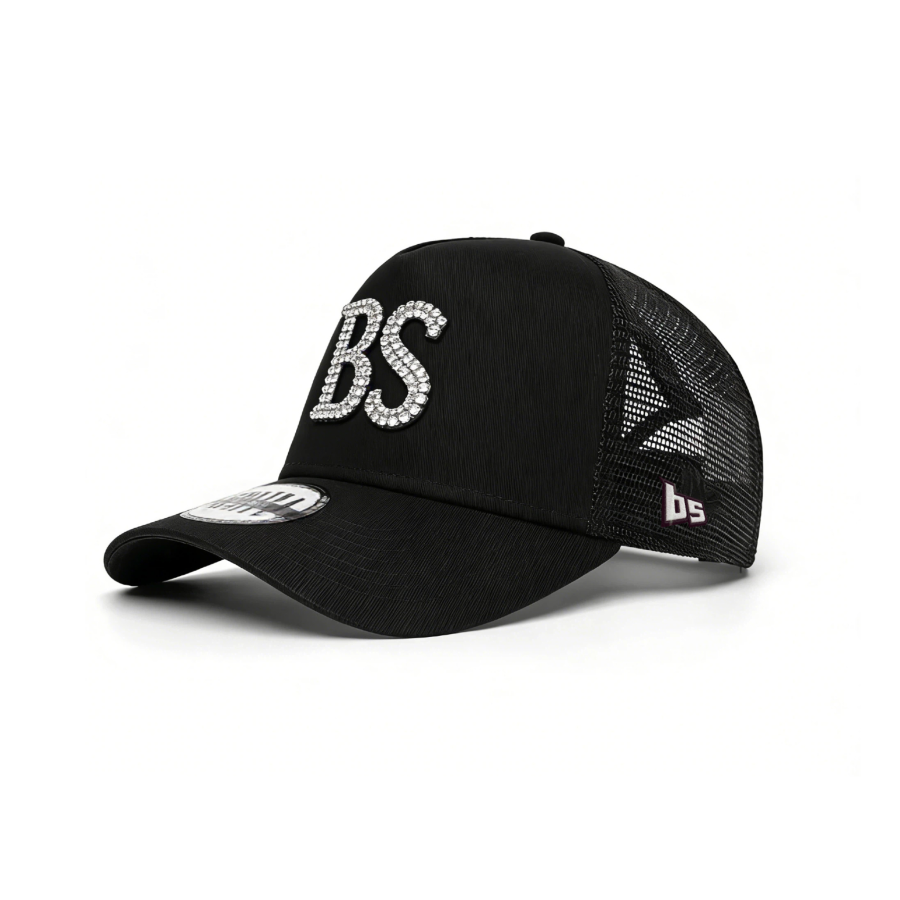
Whether you manufacture trucker hat products for domestic distribution, export, or both, compliance encompasses labeling requirements, material safety standards, intellectual property considerations, and workplace safety regulations. Each aspect of trucker hat production, from sourcing raw materials to final packaging, falls under specific guidelines established by government agencies and industry bodies. Failure to adhere to these standards can result in significant financial consequences and loss of consumer trust.
Labeling and Material Compliance Standards
Required Trucker Hat Labels and Markings
Every trucker hat sold in most markets must display specific labeling information that informs consumers about the product's composition, care instructions, and origin. A trucker hat manufacturer is legally required to include fiber content percentages for all materials used in the cap, typically displayed on a label attached inside the trucker hat. The Federal Trade Commission in the United States mandates that a trucker hat manufacturer clearly identify the country of origin, care instructions, and the manufacturer's or distributor's name and address on the trucker hat or its packaging.
The trucker hat label must be securely attached and remain legible through normal use and washing. A trucker hat manufacturer should use durable label material that resists fading and maintains readability throughout the product's lifespan. Additionally, the trucker hat must comply with textile fiber content requirements, which mandate minimum percentages of declared fibers and prohibit misleading descriptions of material composition.
Material Safety and Chemical Regulations
A trucker hat manufacturer must ensure all materials meet strict chemical safety standards, particularly concerning dyes, finishes, and adhesives used in production. The REACH regulation in Europe and similar standards in other regions restrict certain chemicals and require trucker hat manufacturers to maintain documentation proving compliance with substance restrictions. Heavy metal content in dyes, particularly lead and cadmium, is strictly regulated, and a trucker hat manufacturer must verify that all dyes used in their products meet or exceed these safety thresholds.
Formaldehyde content in trucker hat materials and finishes must be controlled to prevent health risks, especially for products marketed to children or sensitive populations. A trucker hat manufacturer should conduct chemical testing on finished products to verify compliance and maintain test reports for regulatory inspections. Phthalates, flame retardants, and other restricted substances must not exceed specified limits in any trucker hat component.
Intellectual Property and Branding Compliance
Trademark and Design Protection for Trucker Hat Production
A trucker hat manufacturer must ensure all designs, logos, and branding elements do not infringe on existing intellectual property rights of third parties. Before launching a trucker hat product line, manufacturers should conduct comprehensive trademark searches to verify that logos, slogans, or distinctive design elements do not conflict with registered marks. The trucker hat manufacturer bears legal responsibility for ensuring original design creation or acquiring proper licenses for any protected designs incorporated into the product.
Custom embroidery or printing on a trucker hat must comply with copyright and trademark laws. If customers order trucker hat products with their logos or designs, the manufacturer should document authorization from the design owner. A trucker hat manufacturer should implement contractual protections requiring customers to warrant that custom designs are original or properly licensed for commercial use.
Regulatory Documentation and Recordkeeping
A trucker hat manufacturer must maintain detailed production records, including material sourcing documentation, chemical safety certifications, and compliance test results. These records support legal defense in case of disputes and demonstrate due diligence to regulatory authorities. A trucker hat manufacturer should keep records showing how each trucker hat batch meets applicable standards, including documentation of supplier certifications, material testing, and quality control procedures.
Import and export documentation becomes critical when a trucker hat manufacturer operates across borders. The manufacturer must understand and comply with trade regulations, tariff classifications, and customs requirements specific to trucker hat products. Accurate product classification on customs documentation ensures proper duties and prevents regulatory delays or penalties during international shipment of trucker hat inventory.
Safety and Workplace Compliance Requirements
Product Safety Standards for Trucker Hat Manufacturing
Consumer product safety standards establish minimum performance requirements that a trucker hat manufacturer must meet during production. While trucker hat products typically face fewer performance testing requirements than protective headwear, any functional claims made about a trucker hat must be substantiated through testing. For example, if a trucker hat is marketed as water-resistant or UV-protective, the manufacturer must conduct tests verifying these claims and maintain documentation of results.
A trucker hat manufacturer should implement quality control processes that test samples from each production batch for durability, seam strength, and material integrity. The trucker hat should withstand normal use conditions including repeated washing, exposure to sunlight, and regular wear without deteriorating in ways that create safety hazards. Any trucker hat product that fails quality standards must be documented and removed from inventory to prevent distribution of defective items.
Workplace Safety and Employment Compliance
A trucker hat manufacturer must comply with occupational safety and health regulations to protect workers in production facilities. Employees handling sewing equipment, pressing machinery, and chemical dyes need appropriate safety training and protective equipment. A trucker hat manufacturer must maintain safe working conditions, including proper ventilation in areas where dyes or adhesives are applied, and provide safety equipment for all manufacturing operations.
Employment regulations also apply to trucker hat manufacturing operations, requiring compliance with minimum wage laws, working hour restrictions, and workplace safety protocols. A trucker hat manufacturer must maintain records of employee training, safety incidents, and compliance with local labor regulations. If manufacturing occurs across multiple jurisdictions, the trucker hat manufacturer should ensure operations meet the highest applicable standards across all locations.
FAQ
What specific certifications does a trucker hat manufacturer need?
A trucker hat manufacturer typically does not require industry-specific certifications for general product manufacturing, but may need ISO 9001 quality management certification if supplying to large retailers or corporate clients. Some markets require ISO 14001 environmental management certification to demonstrate sustainable manufacturing practices. A trucker hat manufacturer exporting to Europe should obtain CE marking documentation or work with notified bodies for textile compliance verification, and those exporting to other regions may need specific certifications required by importing countries.
How does a trucker hat manufacturer ensure dye and material safety?
A trucker hat manufacturer should work exclusively with suppliers who provide third-party test reports verifying that dyes and materials meet chemical safety standards. Conducting periodic testing on finished trucker hat products through accredited laboratories provides verification of compliance. A trucker hat manufacturer should maintain relationships with certified textile laboratories that can test for restricted substances, heavy metals, and formaldehyde levels to ensure every trucker hat batch meets regulatory limits.
What happens if a trucker hat manufacturer violates compliance regulations?
Regulatory violations can result in product seizure, forced recalls of trucker hat inventory, significant financial penalties, and criminal prosecution in severe cases. A trucker hat manufacturer may face lawsuits from consumers harmed by non-compliant products and lose retail partnerships or distribution agreements. Building compliance into manufacturing processes from the beginning prevents costly remediation and protects the trucker hat manufacturer's business reputation and financial stability long-term.