
 EN
EN
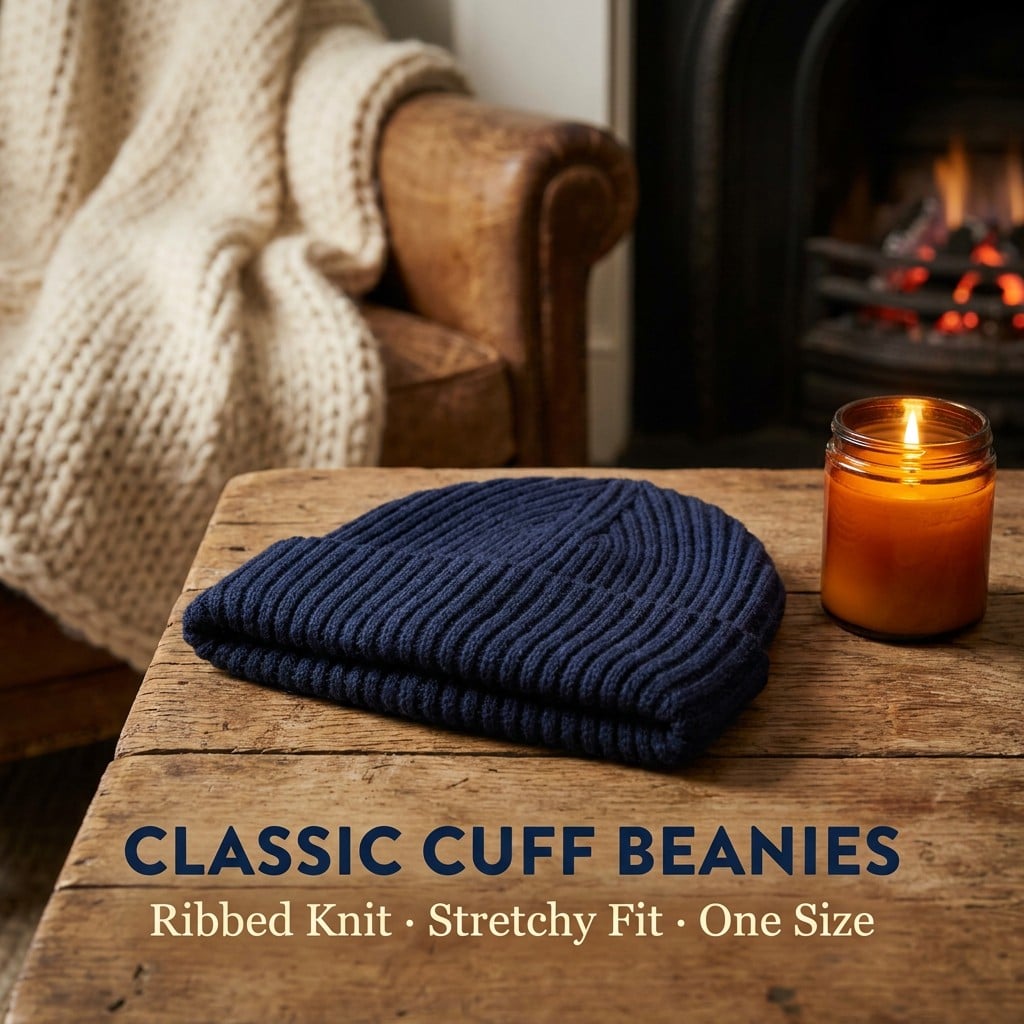
Manufacturing a bulk knit hat line requires understanding the practical design boundaries that balance aesthetic vision with production capability. When developing a knit hat collection at scale, designers and product managers encounter real constraints related to material sourcing, equipment capacity, construction techniques, and market viability. These limitations are not obstacles to avoid but rather parameters to work within strategically. A knit hat project succeeds when the design concept aligns with what's actually achievable in volume manufacturing.
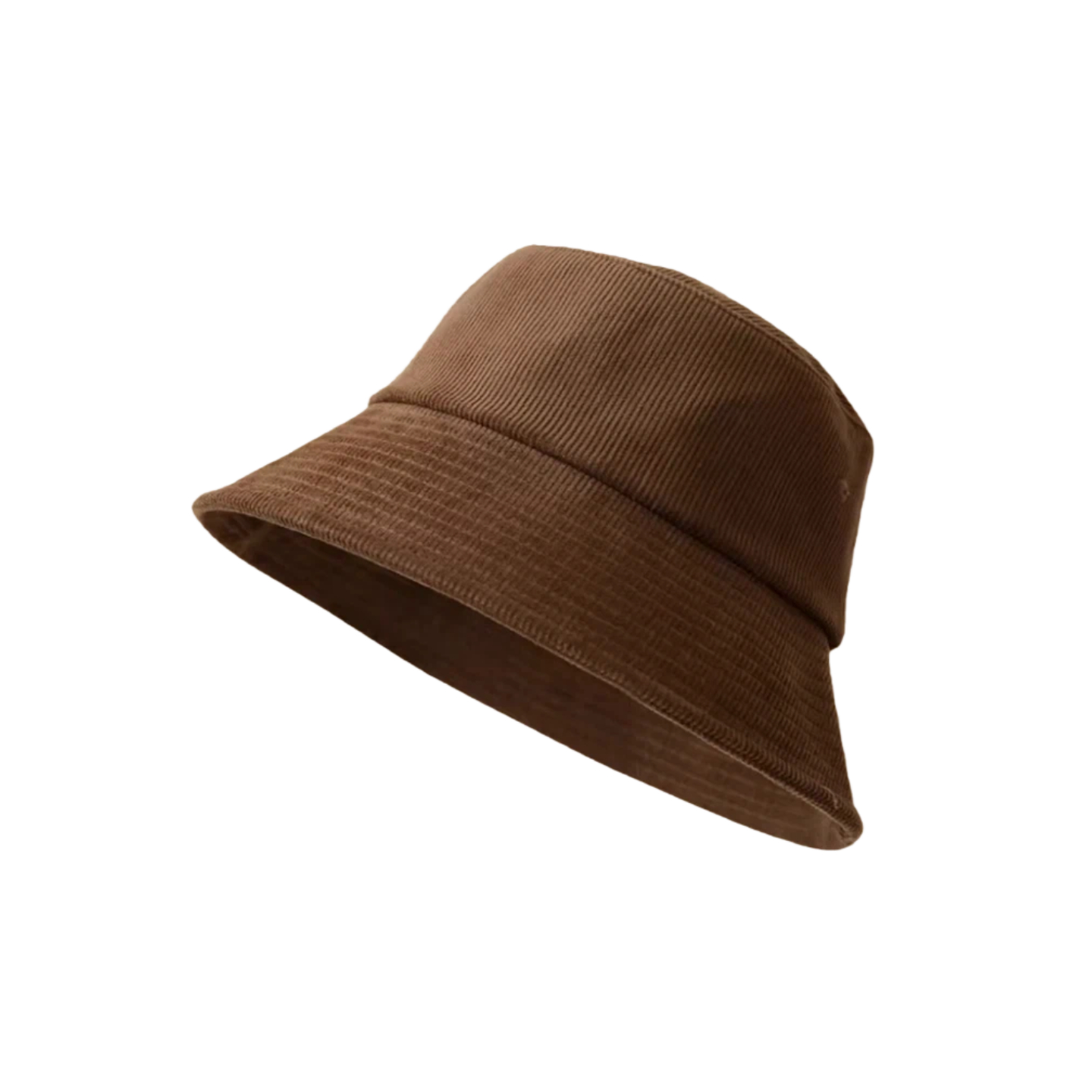
Understanding these design limits helps product teams make informed decisions early in development. Every knit hat design choice—from yarn weight to stitch pattern complexity—carries production implications that affect timeline, cost, and quality consistency. This article explores the key design constraints that define what's possible in a bulk knit hat line, ensuring your product roadmap remains realistic and achievable.
Material and Construction Constraints
Yarn Selection and Availability
The yarn you select for your bulk knit hat line determines feasibility at scale more than almost any other factor. Standard yarns like acrylic, cotton blends, and wool are readily available from multiple suppliers, meaning a knit hat made from these materials can reach production quickly. However, specialty fibers, exotic blends, or custom-dyed yarns introduce lead time challenges and minimum order quantities that significantly exceed conventional options. A knit hat designed with a rare fiber may require a 12-16 week lead time before production even begins, plus substantial minimum purchases. Standard knit hat yarn options allow for 4-6 week lead times and more flexible order quantities, making them practical for responsive bulk manufacturing.
Color matching adds another layer of complexity. A knit hat produced in five standard colors poses fewer complications than one requiring ten specialized shades. Dye lot consistency matters too—achieving uniform color across thousands of units in a bulk knit hat run demands careful supplier coordination and testing. Yarn suppliers typically require confirmation orders months in advance, and a knit hat project committing to multiple colors must account for this timing realistically.
Stitch Pattern and Knitting Method
The complexity of your knit hat stitch pattern directly impacts production speed and cost. Simple stockinette, ribbed, or cable stitches allow machines to run continuously at maximum speed, making a knit hat with basic patterns ideal for bulk runs. Intricate Fair Isle, jacquard, or hand-loomed details, however, require slower machine speeds, frequent color changes, or manual intervention—each complicating a bulk knit hat line significantly. A knit hat incorporating complex colorwork may reduce machine throughput by 40-50%, extending timelines and raising per-unit costs substantially.
Handmade elements—embroidered logos, hand-sewn details, or custom trimmings—further constrain scaling. While decorative details enhance a knit hat's appeal, they introduce manual labor that doesn't scale linearly with demand. A bulk knit hat with extensive hand finishing may face bottlenecks in decoration stages, potentially delaying delivery despite having available knitting capacity.
Sizing, Fit, and Construction Specifications
Size Range and Grading Complexity
Offering a broad size range for your bulk knit hat line increases design and production complexity exponentially. A knit hat available in three sizes requires developing proportionally graded patterns, whereas offering six sizes means managing multiple mold templates, yarn calculations, and quality control benchmarks. Each size in a bulk knit hat collection represents a separate production run or line adjustment, and broader ranges extend overall timelines. Additionally, less popular sizes—such as extra-large or children's—may carry higher per-unit costs without corresponding volume economies.
Some manufacturers recommend limiting bulk knit hat lines to 3-4 core sizes initially, allowing for volume efficiencies while still serving most market segments. Expanding size options after establishing baseline production makes operational sense. A knit hat project that frontloads too many sizes often faces inefficiencies, excess inventory in unpopular sizes, and stretched resources.
Fit Adjustments and Structural Stability
A knit hat with adjustable fit—drawstrings, snap closures, or elastic bands—introduces additional components and assembly steps that impact bulk production. These elements require sourcing, inventory management, and assembly labor that a simple knit hat without adjustability avoids. Testing fit consistency across production batches becomes essential; a bulk knit hat must maintain uniform stretch, comfort, and appearance across thousands of units. Yarn shrinkage during washing and wear can cause a knit hat to change shape, so design must account for acceptable tolerance ranges.
Reinforced areas—extra-thick cuffs, lined interiors, or padded sections—require specialized equipment or additional production steps. A knit hat incorporating these features costs more to produce at scale than a straightforward knitted design. The design decision to add structural reinforcement must weigh the perceived value improvement against real production cost increases.
Volume Thresholds and Economic Viability
Minimum Order Quantities and Tooling
Bulk knit hat manufacturing becomes economically viable only above certain production volumes. Setting up molds, calibrating machines, and establishing quality protocols for a knit hat line requires fixed investment that spreads across units produced. Manufacturers typically recommend minimum orders of 1,000 to 5,000 units for a standard bulk knit hat line, depending on design complexity and supplier capabilities. Below these minimums, per-unit costs rise sharply because setup costs don't distribute efficiently. A knit hat project with smaller target volumes may require exploring alternative production methods like smaller-scale knitting operations, though these usually offer less competitive per-unit pricing.
Custom tooling—such as patterned knitting molds for a specialized knit hat design—involves upfront expense that manufacturers recoup through volume. More complex knit hat designs require more sophisticated tooling, setting higher minimum thresholds. A simpler bulk knit hat design may support lower minimums than one with intricate construction.
Production Lead Times and Batch Scheduling
A bulk knit hat line experiences lead times spanning material procurement, production, quality inspection, and logistics. Standard timelines range from 8-12 weeks for straightforward designs, though complex knit hat projects extend to 16-20 weeks. This extended timeline means forecasting demand accurately becomes critical; overestimating leads to excess inventory, while underestimating leaves customers waiting. A knit hat manufacturer scheduling production must balance batch size economics against holding costs and obsolescence risk.
Production batching also limits flexibility. A bulk knit hat run typically produces all units together, meaning mid-production changes prove costly or impossible. Design decisions must feel final before production begins. Quality control for a knit hat line requires statistical sampling across production batches to catch defects early, ensuring a knit hat collection maintains consistent standards throughout the run.
Aesthetic and Functional Trade-offs
Design Detail Feasibility
A bulk knit hat with elaborate branding, multiple color blocks, or textured details looks impressive in prototypes but may prove difficult to execute consistently at scale. Small design variations compound across thousands of units, creating a knit hat line that appears inconsistent. Simplified designs—solid colors, single-color logos, basic stitch patterns—ensure a bulk knit hat maintains uniform appearance batch after batch. The aesthetic appeal of a knit hat must remain achievable under real manufacturing conditions.
Logo placement and embroidery complexity represent common constraints. A knit hat with woven-in branding requires planning at the knitting stage, while embroidered logos apply afterward. Each method affects timeline and cost differently. A knit hat designer must collaborate with manufacturers to confirm that intended branding details actually work within production capabilities.
Seasonal and Trend Considerations
Market demand for a bulk knit hat line fluctuates seasonally, affecting production planning and design decisions. Winter demand drives volume, while summer sees minimal sales for traditional knit hat products. A knit hat collection designed for seasonal peaks must complete production before demand arrives—typically requiring spring manufacturing to meet fall sales. Color and style trends also influence a bulk knit hat line's relevance; designs that feel current when conceived may appear dated by delivery time. Building design flexibility into a knit hat line—such as offering neutral colors over trend-dependent shades—extends the product lifecycle.
FAQ
What is the typical minimum order quantity for a bulk knit hat project?
Most manufacturers recommend 1,000 to 5,000 units as a practical minimum for a bulk knit hat line, though simpler designs may support lower quantities. The exact minimum depends on design complexity, yarn sourcing, and the manufacturer's equipment. A knit hat with custom tooling typically requires higher minimums than one using standard production methods. Discussing specific minimums with potential manufacturers helps clarify whether your knit hat concept aligns with their capabilities.
How long does it take to produce a bulk knit hat line from concept to delivery?
A standard bulk knit hat line typically requires 8-12 weeks for straightforward designs, with more complex versions extending to 16-20 weeks. This timeline includes material procurement, production setup, knitting, quality inspection, packaging, and logistics. A knit hat project with custom yarn or intricate details generally experiences longer lead times. Planning production well in advance ensures your knit hat line arrives when market demand peaks.
Can a bulk knit hat line include multiple colors and sizes economically?
A bulk knit hat line can include multiple colors and sizes, though broader options increase complexity and per-unit costs. Limiting your initial knit hat launch to 3-4 core sizes and 3-5 colors keeps production efficient and reduces inventory risk. Expanding a knit hat collection after the initial run proves more cost-effective than overextending from launch. Consulting with manufacturers about which combinations make economic sense helps optimize your bulk knit hat strategy.